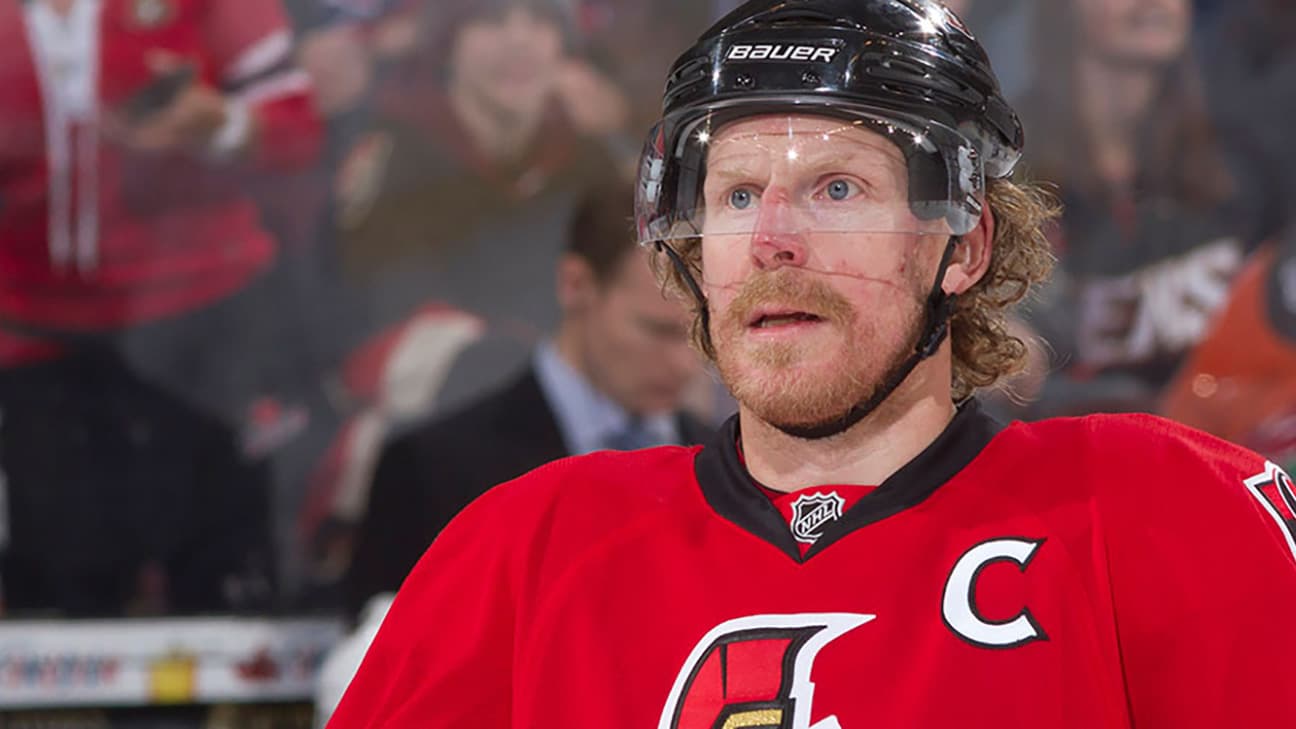
Photo: NHL.com
Gavin McKenna and the Maple Leafs Power Play: Why He's PP1 From Day One
Table of Contents
The Maple Leafs want Gavin McKenna on the power play immediately
The plan for Gavin McKenna and the Maple Leafs power play is not a slow build. Toronto is not thinking about easing its No. 1 overall pick into the NHL — reporting from Sportsnet's Elliotte Friedman indicates the Leafs envision McKenna as a first-unit power-play option right away, alongside a top-line role next to Auston Matthews. For a 17-year-old stepping into the league, that is a statement of trust, and it is aimed squarely at fixing Toronto's biggest situational weakness.
McKenna's game is built for it. He is a high-end playmaker with the vision and puck skills that translate fastest to the extra-man unit, where time and space are slightly more forgiving and creativity is rewarded. If any part of a rookie's game is going to hit the ground running, it is usually the power play — and Toronto needs it to.
The problem being fixed
Toronto's power play was a genuine weakness last season. The Leafs ranked 15th in the NHL with the man advantage in 2025-26 — the worst finish the franchise has posted in roughly a decade. For a team that has leaned on skill for years, a middle-of-the-pack power play was both a surprise and a drag on a group that missed the playoffs.
A 15th-ranked unit does not sound catastrophic, but for a roster with this much offensive talent it represented real points left on the table. Special teams swing tight games, and in a loaded Atlantic Division, the difference between a top-five power play and a middling one can be the difference between a playoff spot and the lottery. Fixing it was an offseason priority, not an afterthought.
Alfredsson's mandate
That is why Toronto's coaching changes matter here. Daniel Alfredsson was hired as an associate coach with a clear brief: run and revive the power play. Alfredsson ran Ottawa's man advantage with real success, and he arrives with a mandate to turn Toronto's biggest situational weakness back into a weapon. Our breakdown of the Alfredsson hire covered how central that job is to Jim Hiller's new staff.
Pairing a fresh voice on the power play with an influx of new personnel is the whole idea. Alfredsson gets to design a unit around Matthews' shot, Nylander's release and, now, McKenna's distribution. A coach known for structure and movement inheriting this much raw skill is a promising combination on paper — the execution is what the season will decide.
Where McKenna fits
The natural role for McKenna is as a distributor — a half-wall or bumper option who can find shooters and manipulate penalty killers with his eyes and hands. On a first unit with Matthews and Nylander as finishers, Toronto does not need McKenna to shoot; it needs him to create, and creation is his best trait.
One floated first-unit look pairs Matthews and Jack Roslovic's chemistry with Nylander's shot, McKenna's playmaking and Darren Raddysh's point presence. Whether that exact group holds up is a training-camp question, but the logic is sound: surround the rookie with finishers and let him quarterback the movement. It is the softest possible landing for a young player being asked to produce immediately, and it fits the plan to open him on Matthews' line that we laid out earlier this summer.
The bumper role in particular suits him. Playing in the middle of the offensive zone on the power play demands quick hands, spatial awareness and the nerve to hold pucks in traffic — all strengths McKenna showed as the most dynamic playmaker in his draft class. It also keeps him close to the net for tips and rebounds, which is where rookies often bank their first NHL points before the flashier plays come. Toronto is not asking him to be the whole show; it is asking him to be the pivot point that makes everyone else more dangerous.
Realistic rookie expectations
Here is the necessary cold water. McKenna is a generational prospect, but he is still a rookie, and rookies have growing pains. Even the optimistic internal plan does not have him killing penalties, and there will be nights where the pace and physicality of the NHL overwhelm a teenager. Expecting him to dominate from the first puck drop is setting a trap.
The power play is where his impact should show up first and most reliably, precisely because it insulates him from the parts of the pro game that take longest to learn — defensive reads, board battles, the relentless five-on-five grind. Toronto is being smart by front-loading his usage into the situation that best fits a rookie playmaker. He signed a three-year entry-level deal as part of this plan, and you can revisit the terms in our look at his entry-level contract.
Why this is the right bet
Handing a rookie PP1 minutes is not the norm, but it is defensible here for two reasons. First, McKenna is not a normal rookie — he is the No. 1 pick and a distributor whose skill set matches the assignment. Second, the alternative is worse: running back a 15th-ranked unit with the same personnel and hoping for a different result. Toronto has instead added a specialist coach and a special talent to the same problem at once.
If it works, the power play flips from a liability into the swing factor that lifts a bubble team into a playoff team. If it stumbles, the Leafs have lost nothing by giving their best young playmaker the reps in the situation most likely to reward him. That is a bet worth making.
What the power play needs beyond McKenna
McKenna is not a fix on his own, and it would be unfair to hang a full unit's turnaround on a teenager. A power play that finished 15th did not fail for lack of talent — Toronto has never lacked for skill — so much as for structure, movement and the willingness to shoot from the right spots. That is squarely Alfredsson's job, and it is why the coaching change matters as much as the personnel one.
The best versions of a modern first unit share the puck to create a single high-danger look rather than passing for a perfect one. Toronto's group has the pieces: Matthews' one-timer, Nylander's release, a distributor in McKenna and a point shot that gets through. What it needs is a scheme that punishes penalty killers for cheating toward Matthews and rewards the quick, deceptive plays McKenna specializes in. If Alfredsson can install that, the ceiling on this unit is top-five, not 15th.
There is a personnel wrinkle, too. A truly elite unit usually wants a right-shot threat on the off flank for one-timers, and Toronto's forward group is short on right shots beyond Nylander. That gap — the same one dogging the five-on-five lineup — could shape how Alfredsson arranges his flanks and whether the Leafs add another right-handed option before camp.
What's next
Watch the power-play units at training camp and in the preseason — that is where Alfredsson's design and McKenna's placement will first take shape. The early exhibition looks will tell you whether the rookie is genuinely running PP1 or easing onto the second unit. Either way, the direction is set: Toronto is betting on youth and a new voice to fix its power play. Follow the roster and prospect picture on our players page and the incoming class on our draft hub.
Frequently Asked Questions
Will Gavin McKenna play on the Maple Leafs' first power-play unit?
Reporting from Sportsnet's Elliotte Friedman indicates Toronto plans to use McKenna as a first-unit power-play option right away, alongside a top-line role next to Auston Matthews. The Leafs are not planning to ease their No. 1 pick into the NHL.
How bad was the Maple Leafs' power play in 2025-26?
Toronto ranked 15th in the NHL on the power play in 2025-26, the franchise's worst finish with the man advantage in roughly a decade. For a roster with this much offensive talent, that middling ranking left real points on the table.
Why did the Maple Leafs hire Daniel Alfredsson?
Alfredsson was hired as an associate coach with a clear mandate to run and revive Toronto's power play. He previously ran Ottawa's man advantage with success and joins Jim Hiller's reshaped coaching staff for 2026-27.
What role will Gavin McKenna play on the power play?
McKenna projects as a distributor — a half-wall or bumper option who finds shooters and manipulates penalty killers with his vision and hands. On a unit with Matthews and Nylander as finishers, Toronto needs him to create rather than shoot.
Is it risky to put a rookie on the top power-play unit?
It carries some risk, but it is defensible because McKenna is the No. 1 overall pick with a playmaking skill set suited to the role, and the alternative is running back a 15th-ranked unit. The power play also insulates a rookie from the five-on-five grind that takes longest to learn.
Did Gavin McKenna sign with the Maple Leafs?
Yes. McKenna signed a three-year entry-level contract with Toronto after being selected No. 1 overall in the 2026 NHL Draft. He is expected to make the roster out of training camp in a top-six and first-unit power-play role.


